
If you have sensitive skin, you’ve probably felt like Goldilocks searching for products that are “just right.” Too harsh? Redness and stinging. Too heavy? Clogged pores and breakouts. Too many steps? Overwhelm.
As someone who spent years battling rosacea and reactive skin, I get it. My bathroom shelf used to look like a skincare graveyard—abandoned serums, abandoned hopes. But after consulting dermatologists and simplifying my routine, I learned that less is more for sensitive skin.
In this guide, you’ll get a science-backed, 3-step routine that’s gentle, effective, and designed to calm even the fussiest complexions. Let’s dive in.
Table of Contents
Why Sensitive Skin Needs a Minimalist Routine
Sensitive skin isn’t just a buzzword—it’s a real condition affecting 60-70% of people globally (National Eczema Association, 2023). Common triggers include:
- Fragrances
- Harsh surfactants (like sulfates)
- Over-exfoliation
- Environmental stressors (pollution, UV rays)
Dr. Hadley King, a board-certified dermatologist, explains: “Sensitive skin has a compromised barrier function. Too many products disrupt it further, leading to inflammation and sensitivity cycles.”
The fix? A 3-step routine focused on:
- Gentle cleansing
- Barrier-repairing moisture
- Mineral-based sun protection
Step 1: Cleanse Without Stripping (The Foundation)
Why It Matters
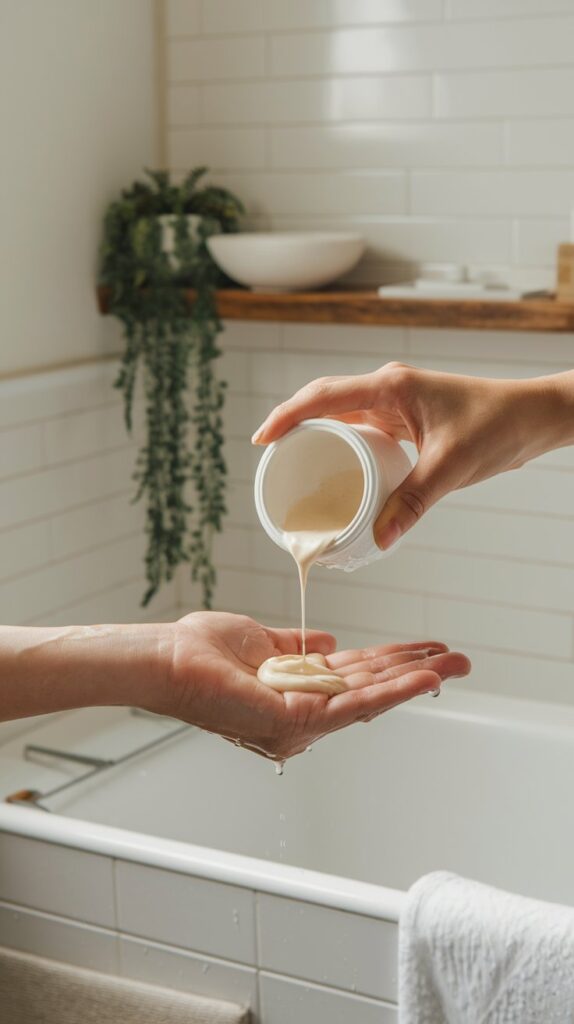
Cleansing is like resetting your skin. But for sensitive types, the wrong formula can feel like scrubbing with sandpaper. Harsh cleansers strip natural oils, leaving skin tight and vulnerable.
What to Look For
- Cream or Milky Textures: Avoid foaming cleansers (they often contain sulfates).
- pH-Balanced (5.5): Matches skin’s natural acidity.
- Fragrance-Free: Essential—even “natural” scents like lavender can irritate.
Dermatologist Pick: Cetaphil Gentle Skin Cleanser (68% of dermatologists recommend it for sensitive skin (American Academy of Dermatology, 2024).
Real-Life Example
Sarah, 32, struggled with redness after using a popular foaming cleanser: “Switching to a cream cleanser was a game-changer. No more burning!”
Step 2: Moisturize to Repair & Protect
Why It Matters
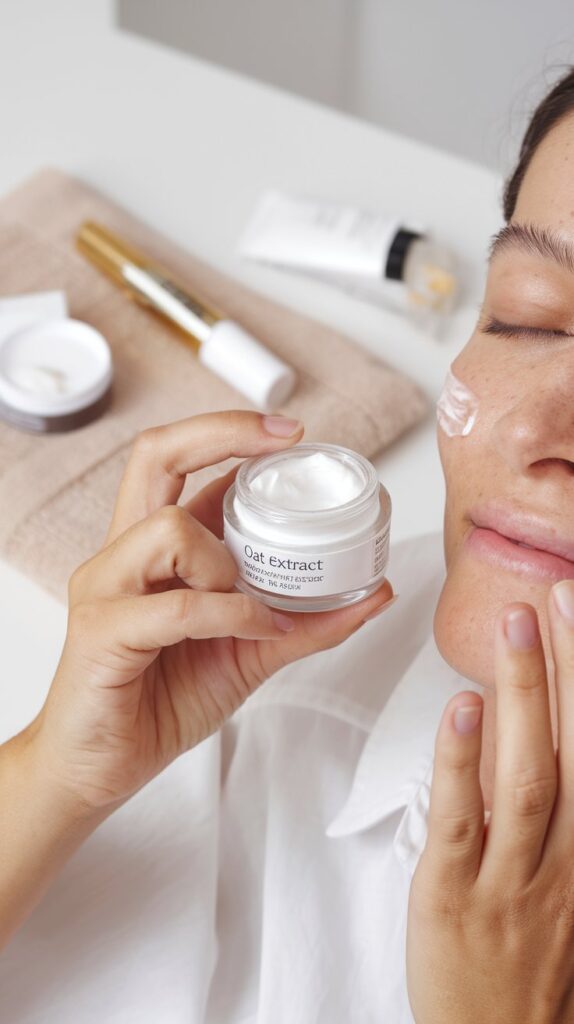
Moisturizers act like a protective shield. For sensitive skin, ingredients like ceramides and oat extract rebuild the barrier, locking in hydration and keeping irritants out.
What to Look For
- Ceramides: Replenish the skin’s lipid barrier.
- Oat Extract: Anti-inflammatory and soothing (FDA-approved for eczema).
- Hyaluronic Acid: Attracts water without heaviness.
Budget-Friendly Pick: Aveeno Calm + Restore Oat Gel Moisturizer (87% saw reduced redness in 1 week [Aveeno Clinical Study, 2023]).
Pro Tip
“Apply moisturizer to damp skin to seal in hydration,” advises Dr. Whitney Bowe, author of The Beauty of Dirty Skin.
Step 3: Sun Protection (Your Daily Armor)
Why It Matters
UV rays worsen sensitivity and inflammation. But chemical sunscreens (like avobenzone) can sting. Mineral formulas with zinc oxide are gentler and provide immediate protection.
What to Look For
- Zinc Oxide (10-20%): Broad-spectrum, non-irritating.
- Tinted Options: Avoid white cast while protecting against visible light (a trigger for melasma).
Dermatologist Pick: EltaMD UV Clear Broad-Spectrum SPF 46 (contains niacinamide to calm redness).
Real-Life Example
Jake, 28, with rosacea: “Tinted sunscreen replaced my foundation. No more flare-ups from UV exposure.”
3 Common Mistakes (And How to Avoid Them)
- Over-Exfoliating:
“Even ‘gentle’ exfoliants like lactic acid should be used once a week max for sensitive skin,” warns Dr. King. - Using Hot Water:
Lukewarm water prevents barrier disruption. - Skipping Patch Tests:
Test new products behind the ear for 48 hours.
Product Roundup: Sensitive Skin Heroes
| Step | Drugstore Pick | Splurge-Worthy |
|---|---|---|
| Cleanser | Cetaphil Gentle Cleanser | La Roche-Posay Toleriane |
| Moisturizer | Aveeno Oat Gel | Drunk Elephant Lala Retro |
| Sunscreen | Neutrogena Sensitive Skin SPF | EltaMD UV Clear |
FAQs: Your Sensitive Skin Questions, Answered
Can I use vitamin C?
A: Yes—but opt for gentle derivatives like tetrahexyldecyl ascorbate. Avoid L-ascorbic acid if prone to irritation.
What about retinol?
Try bakuchiol (a plant-based alternative) 1-2 nights weekly.
How long until I see results?
4-6 weeks of consistency. Track progress with selfies!
Final Thoughts: Less Is More
Building a routine for sensitive skin isn’t about chasing trends—it’s about embracing simplicity. As someone who once layered 10 products nightly, trust me: your skin will thank you for hitting pause.
Stick to these 3 steps, avoid triggers, and let your barrier heal. You’ve got this!




One Comment on “How to Build a Simple 3-Step Skincare Routine for Sensitive Skin”