
Dark spots—often caused by sun exposure, post-inflammatory hyperpigmentation, hormonal changes, or acne scars—are a common skin concern. For many, they not only affect the appearance of the skin but also self-confidence. In today’s post, we delve into five methods that dermatologists have found to be effective for dark spots removal. We emphasize evidence-based advice and clear, step-by-step guidance so that you can make informed decisions about your skincare routine.
In this comprehensive guide, you will learn about what dark spots are, why they occur, and how specific treatments—from topicals to advanced procedures—can help you achieve a more even skin tone. Remember, while many treatments can show improvement within weeks, consistency is key and it’s important to discuss any new regimen with your dermatologist.
Table of Contents
Understanding Dark Spots
What Are Dark Spots?
Dark spots, medically known as hyperpigmentation, occur when certain areas of the skin produce excess melanin. They can appear as patches of uneven skin tone and vary in size and color intensity. Common types include:
- Sunspots (Solar Lentigines): Result from long-term sun exposure.
- Post-Inflammatory Hyperpigmentation (PIH): Occurs after the skin has healed from an injury or inflammatory condition, such as acne.
- Melasma: Often linked to hormonal changes and more common in women.
Why Do Dark Spots Occur?
The skin naturally produces melanin to protect against ultraviolet (UV) rays. However, when melanin production is triggered excessively—by the sun, acne, or hormonal fluctuations—it can lead to dark spots. Some key causes include:
- Sun Exposure: UV rays trigger melanocytes to produce more pigment.
- Inflammation: Acne and other skin injuries may result in PIH.
- Hormonal Changes: Pregnancy, oral contraceptives, and hormone replacement therapy can lead to melasma.
- Aging: With time, the skin’s regenerative process slows down, and the uneven distribution of pigment becomes more noticeable.
Understanding these causes is essential to choosing the best treatment options. For many, prevention (by using daily sunscreen) is as important as treatment.
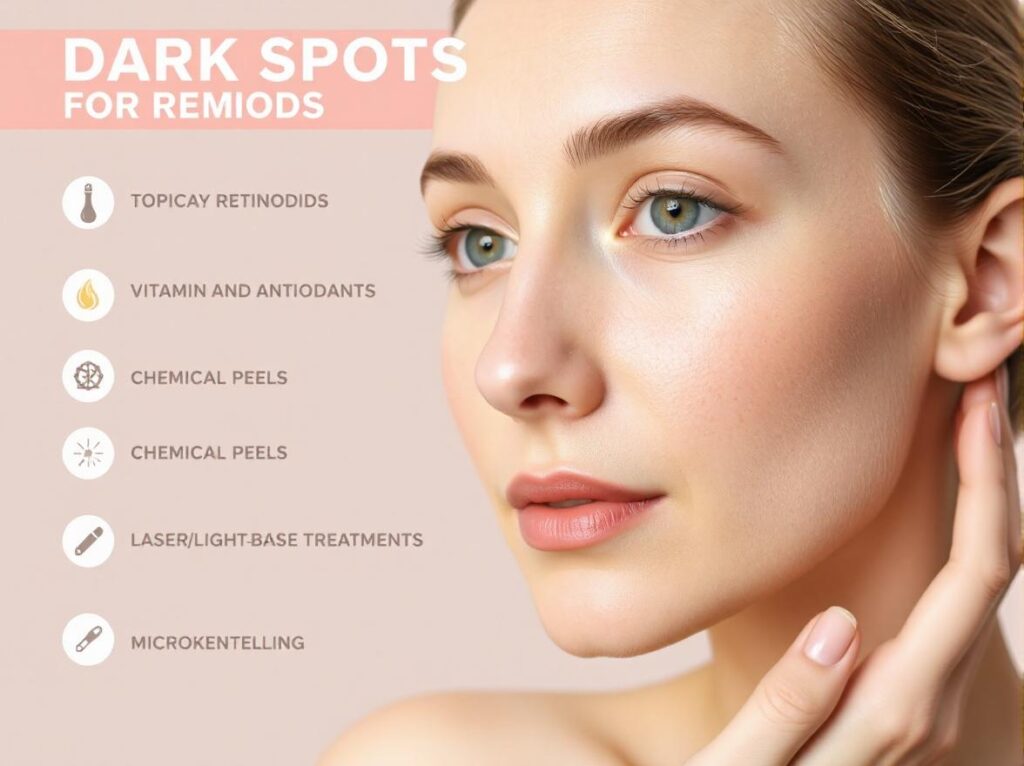
5 Dermatologist-Backed Methods for Dark Spots Removal
Below, we review five methods recommended by dermatologists for reducing the appearance of dark spots. Each method is supported by scientific evidence and clinical experience.
Method 1: Topical Retinoids
How They Work
Retinoids (vitamin A derivatives) are widely recognized in dermatology for their ability to improve skin texture and tone. They work by:
- Increasing Cell Turnover: Accelerating the shedding of pigmented, damaged skin cells.
- Stimulating Collagen Production: Helping to smooth fine lines and improve overall skin quality.
- Dispersing Melanin: Promoting an even distribution of pigment across the skin.
Evidence and Usage
A number of studies support the efficacy of retinoids for hyperpigmentation. For example, tretinoin has been shown to reduce the appearance of dark spots in controlled clinical trials. Dermatologists typically recommend starting with a lower concentration (0.025% to 0.05%) to minimize irritation and gradually increasing as the skin adjusts.
How to Use
- Cleanse: Start with a gentle cleanser.
- Apply Retinoid: After cleansing and drying the skin, apply a pea-sized amount of retinoid to the affected areas.
- Moisturize: Follow with a non-comedogenic moisturizer.
- Sun Protection: Retinoids can increase sun sensitivity, so daily application of broad-spectrum sunscreen (SPF 30 or higher) is critical.
Note: Retinoids are not recommended during pregnancy. Always consult your dermatologist if you’re unsure about starting this treatment.
Method 2: Vitamin C and Other Antioxidants
How They Work
Vitamin C (ascorbic acid) is an antioxidant that helps reduce hyperpigmentation by:
- Inhibiting Melanin Production: It interferes with the enzyme tyrosinase, which is key in the production of melanin.
- Protecting Against Free Radicals: It neutralizes oxidative stress caused by UV exposure.
- Brightening the Skin: Regular use results in a more radiant and even complexion.
Other antioxidants like niacinamide (vitamin B3) have also shown effectiveness in reducing dark spots and improving skin barrier function.
Evidence and Usage
Numerous clinical studies have documented the benefits of topical vitamin C in reducing dark spots. Formulations combining vitamin C with ferulic acid and vitamin E can boost stability and effectiveness. Dermatologists often recommend vitamin C serums with concentrations between 10% and 20%.
How to Use
- Cleanse and Tone: Begin with a cleanser and an alcohol-free toner.
- Apply Vitamin C Serum: Use a few drops of vitamin C serum on clean skin.
- Follow with Moisturizer: Seal in the serum with a moisturizer suitable for your skin type.
- Sun Protection: As with retinoids, sunscreen is essential.
Tip: Store vitamin C serums in a cool, dark place to maintain potency.
Method 3: Chemical Peels
How They Work
Chemical peels involve applying a solution to the skin that causes controlled exfoliation. This process helps in:
- Removing the Top Layer of Skin: Eliminates pigmented cells and promotes the growth of new, evenly pigmented skin.
- Stimulating Collagen Production: Improves skin texture and firmness.
- Enhancing Absorption: Makes the skin more receptive to other treatments.
Evidence and Usage
Alpha hydroxy acids (AHAs) like glycolic acid and lactic acid are common ingredients in chemical peels for dark spots removal. Studies have shown that regular chemical peels can significantly improve the appearance of hyperpigmentation. Dermatologists may perform these peels in-office or recommend at-home peel products for milder cases.
How to Use
- In-Office Peels: For deeper peels, follow your dermatologist’s instructions—typically, these are done every few weeks.
- At-Home Peels: Use products containing 5–10% glycolic or lactic acid. Always perform a patch test first.
- Post-Peel Care: After a peel, avoid sun exposure and use gentle, hydrating skincare products.
Note: Chemical peels can cause temporary redness and peeling. Follow post-procedure care closely to avoid irritation.
Method 4: Laser and Light-Based Treatments
How They Work
Laser therapies and intense pulsed light (IPL) treatments target melanin in the skin with focused light energy. They work by:
- Breaking Down Excess Pigment: The light energy is absorbed by melanin, causing it to fragment.
- Stimulating Skin Renewal: The treatment promotes the regeneration of skin cells, leading to a more even tone.
- Reducing the Appearance of Dark Spots: With several sessions, the dark spots gradually fade.
Evidence and Usage
Several studies support the use of laser and IPL treatments for hyperpigmentation. These procedures are typically performed by trained dermatologists or in medical spas. Although results vary, many patients see a noticeable reduction in dark spots after a series of treatments.
How to Use
- Consult a Specialist: It’s important to have a thorough consultation to determine if you are a good candidate.
- Treatment Sessions: A series of 3–6 sessions is often recommended, spaced several weeks apart.
- Post-Treatment Care: Follow strict sun protection measures and use soothing skincare products to aid recovery.
Note: These treatments may not be suitable for all skin types. Your dermatologist can help determine the best approach based on your individual skin tone and concerns.

How to Get Rid of Dark Spots Fast: 5 Dermatologist-Backed Methods – BestSkinTips.online
Method 5: Microneedling and Combination Therapies
How They Work
Microneedling uses tiny needles to create micro-injuries in the skin. This controlled injury stimulates the body’s natural wound-healing response, leading to:
- Collagen and Elastin Production: Enhances overall skin texture and firmness.
- Improved Absorption of Topicals: Increases the penetration of active ingredients such as vitamin C, peptides, and growth factors.
- Reduction in Hyperpigmentation: By stimulating new skin cell turnover, microneedling helps even out pigmentation.
Evidence and Usage
Clinical evidence suggests that microneedling can improve the appearance of dark spots, particularly when combined with topical treatments. Some dermatologists recommend combining microneedling with chemical peels or serums for enhanced results.
How to Use
- Professional Treatment: For best results, microneedling should be performed by a qualified professional. Sessions are typically spaced 4–6 weeks apart.
- At-Home Devices: There are derma rollers available for home use, but caution is needed to avoid skin damage. Always follow instructions and maintain strict hygiene.
- Combination Approach: Use a vitamin C serum or hyaluronic acid immediately after treatment to boost effectiveness.
Tip: Avoid microneedling if you have active acne, eczema, or infections until your skin has healed.
Additional Tips for Effective Dark Spots Removal
While the five methods above are proven to help with dark spots removal, here are additional evidence-based tips to support your journey:
1. Sun Protection is Crucial
Regardless of the treatment method, daily sun protection is non-negotiable. UV exposure can worsen hyperpigmentation. Dermatologists recommend:
- Broad-Spectrum Sunscreen: Use a sunscreen with an SPF of 30 or higher every day.
- Reapplication: Reapply every two hours if you’re outdoors.
- Protective Clothing: Wear hats and sunglasses when possible.
2. Consistency and Patience
Results from dark spots removal treatments take time. Whether you’re using topical agents or undergoing in-office procedures, it is important to:
- Follow a Routine: Stick to your prescribed regimen.
- Be Patient: Improvements may be gradual. It can take several weeks to notice significant changes.
- Regular Follow-Ups: Keep regular appointments with your dermatologist to monitor progress and adjust treatments if necessary.
3. Avoid Over-Treatment
Using too many active ingredients or undergoing too many procedures can irritate the skin and potentially worsen hyperpigmentation. Always:
- Consult a Dermatologist: Discuss any concerns before combining treatments.
- Monitor Your Skin’s Reaction: If irritation occurs, scale back on actives and allow your skin time to recover.
4. Tailor Treatments to Your Skin Type
Different skin types respond differently to treatments:
- Sensitive Skin: May require lower concentrations of active ingredients and gentler chemical peels.
- Oily/Acne-Prone Skin: Retinoids and salicylic acid-based treatments may be more effective.
- Mature Skin: Treatments that boost collagen production, such as microneedling and laser therapies, can be beneficial.
5. Lifestyle Factors
Lifestyle plays a role in skin health. Consider:
- Nutrition: A balanced diet rich in antioxidants (fruits, vegetables, and omega-3 fatty acids) can support skin healing.
- Hydration: Drinking plenty of water helps maintain skin hydration and overall health.
- Stress Management: Stress can exacerbate skin conditions, so incorporating stress-relief practices like meditation or exercise is beneficial.
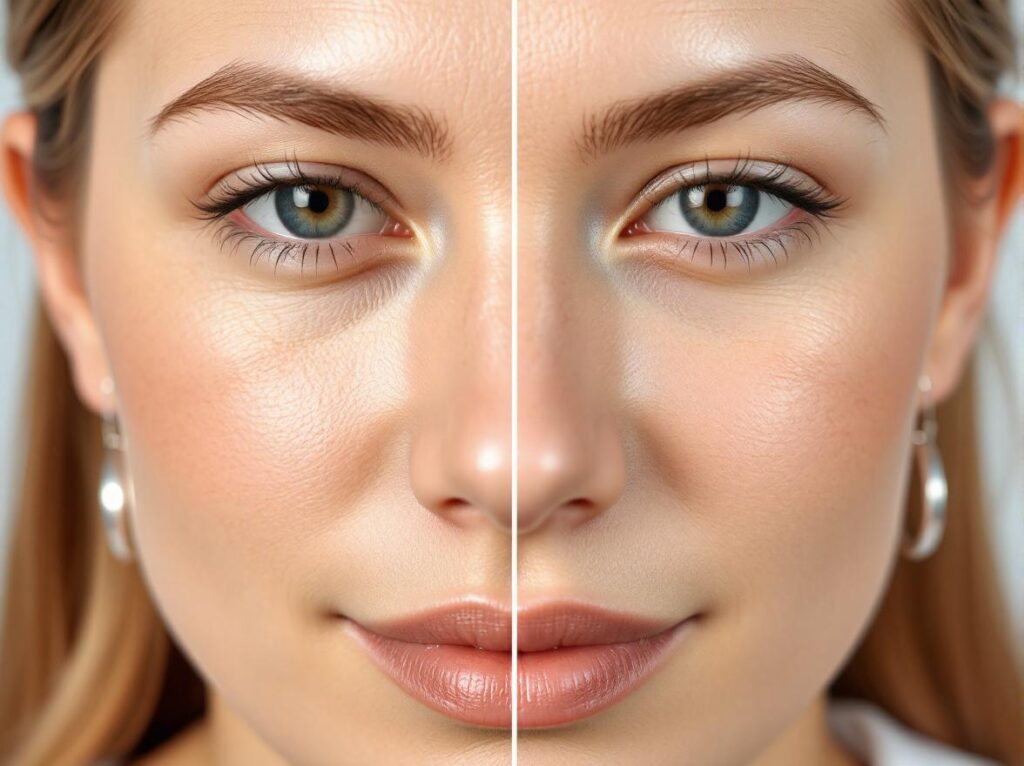
Putting It All Together: A Holistic Approach
When it comes to dark spots removal, there is no one-size-fits-all solution. Instead, the best approach is often a combination of treatments and lifestyle modifications. Here’s how you can create a comprehensive plan:
- Start with Prevention:
Begin by protecting your skin with daily sunscreen and wearing protective clothing when outdoors. Prevention helps stop dark spots from worsening or new ones from forming. - Implement a Targeted Skincare Routine:
Use evidence-based topical treatments such as retinoids and vitamin C serums. These products not only reduce dark spots but also promote overall skin renewal. - Consider Professional Procedures:
If home treatments are not enough, consult your dermatologist about procedures such as chemical peels, laser treatments, or microneedling. These in-office treatments can often accelerate results when used appropriately. - Maintain Consistency and Follow-Up:
Whether you are using over-the-counter products or receiving professional treatments, consistency is key. Regular follow-ups with your dermatologist will help ensure that your treatment plan is working and allow for adjustments as needed. - Support Your Skin with a Healthy Lifestyle:
Supplement your treatment plan with healthy eating, proper hydration, and stress management techniques. Your skin is a reflection of your overall health, and a holistic approach can lead to lasting improvements.
Frequently Asked Questions (FAQs)
Q: How long does it take to see improvements in dark spots?
A: It generally takes several weeks (typically 6–12 weeks) to notice visible improvements when using topical treatments. Professional procedures may yield faster results, but individual response varies.
Q: Are these treatments safe for all skin types?
A: Most treatments can be adapted for different skin types. However, sensitive skin may require lower concentrations of active ingredients and gentler procedures. Always consult your dermatologist to tailor a plan that suits your unique skin needs.
Q: Can dark spots be completely removed?
A: While many treatments can significantly reduce the appearance of dark spots, complete removal depends on the depth and cause of the hyperpigmentation. Ongoing maintenance and sun protection are critical to preventing recurrence.
Q: Is it safe to combine multiple treatments?
A: Combining treatments can be effective, but over-treating may irritate your skin. A dermatologist can help determine the best combination for your skin type and condition.
Q: What role does diet play in dark spots removal?
A: A nutrient-rich diet that includes antioxidants and omega-3 fatty acids supports skin health. Proper hydration and a balanced diet can help enhance the results of topical and in-office treatments.
Conclusion
Dark spots are a common concern, but with the right approach, you can significantly improve your skin’s appearance. By following these five dermatologist-backed methods for dark spots removal—topical retinoids, vitamin C and antioxidants, chemical peels, laser and light-based treatments, and microneedling—you can work toward a more even and radiant complexion.
The journey to clearer skin is best approached with patience, consistency, and a commitment to protecting your skin from further damage. Remember that results take time, and it’s essential to use treatments as directed by your dermatologist. Equally important is embracing a holistic lifestyle that supports skin health through sun protection, proper nutrition, and stress management.
By integrating these evidence-based methods into your skincare routine and following the tips provided, you’ll be well on your way to reducing dark spots and achieving a more even skin tone. Always remember to consult a skincare professional before starting any new treatment, especially if you have underlying skin conditions or concerns.
Your journey toward healthier, more radiant skin is a marathon, not a sprint. With consistent effort, proper care, and the guidance of experienced dermatologists, you can enjoy noticeable improvements and boost your confidence. Embrace the process, and let each step bring you closer to the clear, even skin you deserve.
Disclaimer: The information provided in this article is based on current evidence and expert opinions. It is intended for informational purposes only and should not replace professional medical advice. Always consult a dermatologist or healthcare provider for personalized recommendations.