
Acne-prone skin requires a delicate balance of care—too much aggression can worsen breakouts, while too little can leave pores clogged. As a skincare blogger who’s navigated years of trial-and-error (and countless dermatologist appointments), I’ve learned that avoiding common pitfalls is half the battle. Drawing insights from leading dermatologists, here are three critical mistakes to avoid for clearer, healthier skin.
Mistake #1: Overusing Harsh Products or Over-Exfoliating
Why It’s Harmful:
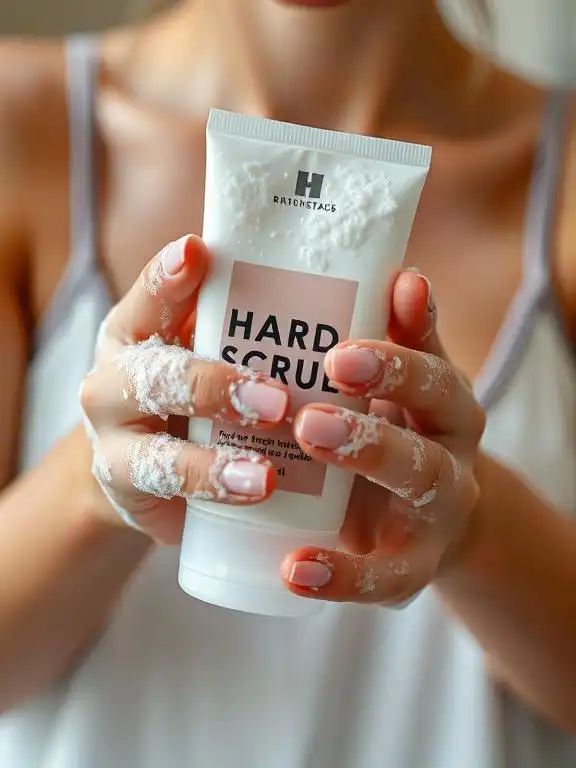
Many acne sufferers believe scrubbing harder or using alcohol-based toners will “dry out” pimples. However, harsh physical exfoliants (like walnut scrubs) and stripping ingredients damage the skin’s protective barrier, leading to inflammation, dryness, and even rebound oil production 610. Over-exfoliating with acids (e.g., daily salicylic acid peels) can also worsen sensitivity and redness.
Dermatologist Solution:
- Gentle Cleansing: Opt for a pH-balanced, sulfate-free cleanser with salicylic acid or benzoyl peroxide for targeted pore-clearing without irritation 89.
- Limit Exfoliation: Use chemical exfoliants (AHAs/BHAs) 2–3 times weekly, and avoid combining multiple actives in one routine 68.
- Barrier Support: Incorporate ceramides or niacinamide to repair the skin’s moisture barrier 9.
Pro Tip:
“If your skin feels tight or stings after cleansing, your products are too harsh,” says Dr. Michele Green, a New York-based dermatologist 6.
Mistake #2: Following Unverified DIY or Social Media Trends
Why It’s Harmful:
TikTok’s DIY hacks—like lemon juice toners, baking soda scrubs, or homemade sunscreen—often lack scientific backing and can cause burns, infections, or long-term pigmentation 7. Even “natural” ingredients like coconut oil are comedogenic, trapping bacteria in pores 37.
Dermatologist Solution:
- Stick to Lab-Tested Products: Choose non-comedogenic, oil-free formulas with proven actives like benzoyl peroxide or retinoids 68.
- Avoid Pore-Cloggers: Steer clear of heavy oils (e.g., coconut, mineral oil) and opt for lightweight alternatives like jojoba or squalane 39.
Pro Tip:
“DIY sunscreen is a recipe for disaster—it offers zero UV protection and increases skin cancer risk,” warns Dr. Shari Lipner 7.
Mistake #3: Skipping Sunscreen or Using the Wrong Formula
Why It’s Harmful:
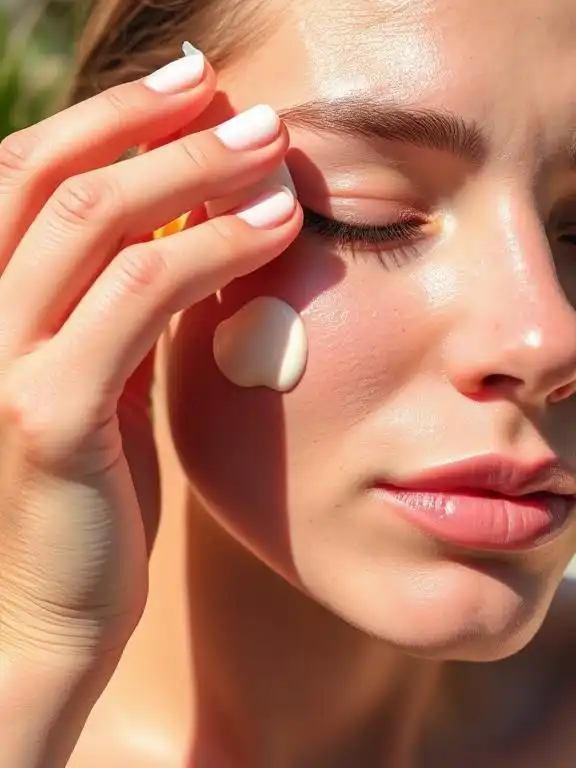
Acne treatments like retinoids and AHAs increase sun sensitivity, making unprotected UV exposure a fast track to hyperpigmentation and worsened inflammation 15. Thick, creamy sunscreens can also clog pores, triggering more breakouts.
Dermatologist Solution:
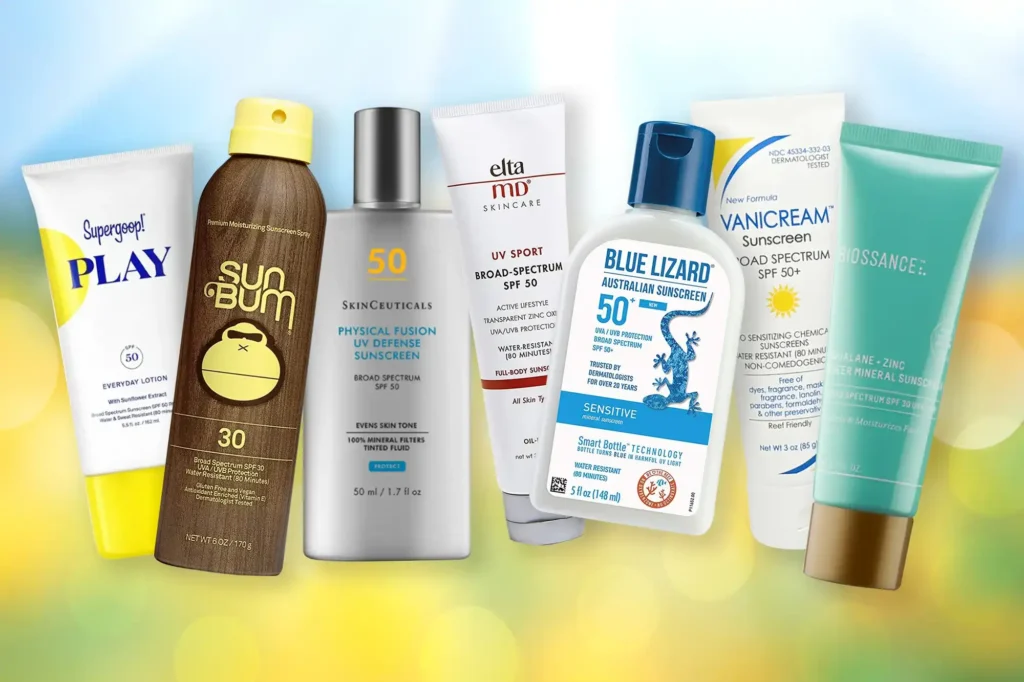
- Daily SPF 30+: Use a broad-spectrum, non-comedogenic sunscreen. Gel or mineral formulas with zinc oxide are ideal for oily skin 29.
- Reapply Strategically: Every 2 hours if outdoors, and opt for powder SPF for touch-ups over makeup 5.
Pro Tip:
“Sun protection is non-negotiable—even on cloudy days,” emphasizes Dr. Sam Ellis, who notes UV rays penetrate clouds and windows 1.
Bonus: When to See a Dermatologist
If breakouts persist despite avoiding these mistakes, consult a professional. Dermatologists can prescribe tailored solutions like:
- Prescription Retinoids: For stubborn comedonal acne 8.
- Hormonal Therapy: For adult hormonal acne linked to conditions like PCOS 9.
- In-Office Treatments: Chemical peels or laser therapy to reduce scarring 4.
Key Takeaways
- Gentle > Harsh: Prioritize barrier-friendly products over aggressive scrubs.
- Science > Trends: Avoid DIY fads and stick to dermatologist-recommended actives.
- SPF > Regret: Protect your skin daily with a non-greasy sunscreen.


One Comment on “Dermatologist Tips for Acne-Prone Skin: 3 Mistakes to Avoid”